
Productizing your best client work means turning the customized deliverables, processes, and assets you create for individual clients into standardized, self-contained products. Instead of trading hours for revenue on every engagement, you package proven methods into repeatable templates, toolkits, and workflows that buyers can implement independently. This approach helps you build scalable revenue while providing buyers with proven frameworks at an accessible price point.
The transition depends on whether your existing deliverables solve a recurring problem with predictable milestones across multiple accounts. When past projects produce consistent results through structured steps, those underlying frameworks can separate your income from direct manual labor.
Auditing Client Deliverables: Finding Your Strongest Assets
The first step in building a productized asset is reviewing past engagements to uncover deliverables that generated outstanding client outcomes. Look through project files, shared folders, and client communications to spot deliverables that required repeated creation from scratch.
You can identify strong candidate deliverables by spotting patterns across your historical projects:
- Deliverables that clients praised for bringing immediate operational clarity or financial gains.
- Spreadsheets, trackers, or strategic roadmaps that you rebuilt repeatedly for different accounts.
- Structured intake forms, discovery questionnaires, or audit rubrics that consistently uncovered core issues.
- Complex technical setups or operational handoffs that solved painful workflow bottlenecks.
When multiple clients experience similar friction points, your customized solutions hold commercial value beyond one-to-one service delivery. Transforming expertise into structured products begins by isolating these universal problem areas.
Template Versus System: Building Complete Implementations
A bare deliverable rarely functions as a standalone commercial product because buyers need context to apply it correctly. A raw spreadsheet or document template leaves users confused about data entry, prioritization, and execution.
A true productized system combines the core deliverable with step-by-step guidance, sample records, and execution checklists. This structure bridges the gap between acquiring a template and achieving the promised business outcome.
- Blank data entry fields without context
- Zero workflow documentation or setup rules
- High buyer confusion during initial use
- Frequent support requests for basic setup
Bare Template
- Pre-filled demonstration data showing correct usage
- Step-by-step walkthrough documentation and videos
- Implementation checklists covering each milestone
- Troubleshooting frameworks for common errors
Complete System
Delivering comprehensive guidance turns an ordinary file download into a reliable business solution. Buyers gain confidence because every phase of implementation is clearly mapped out.
Selecting Product Formats: Spreadsheets, Workspaces, and Toolkits
Selecting the right digital container determines how easily your buyers can integrate your system into daily operations. The best format matches the software tools your target audience already uses and understands.
Different delivery formats accommodate different operational requirements and user skill levels.
Interactive Workspaces
Structured dashboard workspaces organize tasks, roadmaps, and documentation in a single cloud hub. These workspaces suit project management, content planning, and knowledge management systems.
Spreadsheet Models
Formula-driven spreadsheets provide calculation engines, budget planners, and data reporting tools. These formats suit financial models, pipeline trackers, and quantitative performance audits.
Standard Operating Toolkits
Standardized document packages combine process checklists, standard operating procedures, and swipe copy. These packages help teams delegate tasks and maintain output quality without real-time oversight.
Choose an environment that balances functional power with minimal friction. When software setup feels effortless, buyers achieve results much faster.
Sanitizing Assets: Protecting Confidentiality and Intellectual Property
Transforming custom client work into public assets requires thorough sanitization to protect client confidentiality. You must strip every trace of proprietary data, private trade secrets, and non-disclosure details before distribution.
Replace real company names, sensitive figures, vendor contracts, and client identifiers with realistic dummy data. Retain the underlying structural logic while completely removing account-specific operational details.
Never publish real client metrics, private credentials, unlisted URLs, or trade secrets in your downloadable assets. Always conduct a comprehensive data scrub across formulas, hidden tabs, and version histories to protect client relationships.
Review your client agreements to confirm ownership rights over the underlying frameworks, methodologies, and general tools you developed during the engagement. If an agreement grants complete work-for-hire assignment of everything created, build an entirely original version of the framework from your core principles.

Carefully scrub client records from templates to protect confidentiality before launching new digital products.
Custom Work Versus Automation: Drawing the Boundary Line
Deciding which parts of a service to standardize determines how scalable your productized offering becomes. Fully standardized components run without your input, while custom components require scheduled manual intervention.
Segmenting your engagement into modular tiers allows you to sell self-serve assets alongside premium hands-on advisory services. This structure lets buyers choose between direct guidance and autonomous execution.
| Element | Delivery Mode | Scalability Level | Implementation Approach |
| Discovery Audits | Standardized | High | Self-paced intake assessments and scoring guides |
| Core Frameworks | Standardized | High | Pre-built templates, formula sheets, and dashboards |
| Execution Review | Hybrid | Moderate | Recorded video reviews or structured critique notes |
| Bespoke Strategy | Custom | Low | Direct one-on-one consulting for unique edge cases |
Standardizing discovery and foundational frameworks dramatically cuts down unbillable delivery hours. You preserve mental energy for strategic problem-solving where human insight provides distinct leverage.
Documenting the Method: Creating Step-by-Step Guidance
A digital product succeeds or fails based on the clarity of its documentation. Without clear execution steps, buyers experience friction and abandon the asset, leading to refund requests and poor reviews.
Structure your onboarding and instructional material using an orderly sequence of clear actions:
- Define the required input data and prerequisites before the user alters any template values.
- Break the execution phase into bite-sized operational tasks arranged in chronological order.
- Provide visual reference points showing completed stages to confirm correct progress.
- Include troubleshooting notes that resolve common configuration mistakes immediately.
- Establish milestone indicators so users know when the template has delivered its primary objective.
Anticipating common points of user confusion turns a static template into a guided system. Clear instructions build buyer independence and drastically reduce incoming support tickets.
Validating Demand: Pre-Selling Before Building
Never spend weeks polishing extensive digital frameworks before confirming that actual buyers want the solution. Validating market appetite protects your schedule from speculative overbuilding.
Engage your current client network, email subscribers, and peer communities with the concrete outcome your system provides. Present the framework as a finished asset waiting for beta testers to gauge direct purchase interest.
Collect early commitments or discounted pre-orders before finalizing extended documentation. Real payment confirms true market interest far more reliably than casual verbal compliments.
If pre-orders or early sign-ups fail to materialize, adjust your product positioning, target audience, or primary promise. Validating early saves valuable development hours and sharpens your commercial messaging.
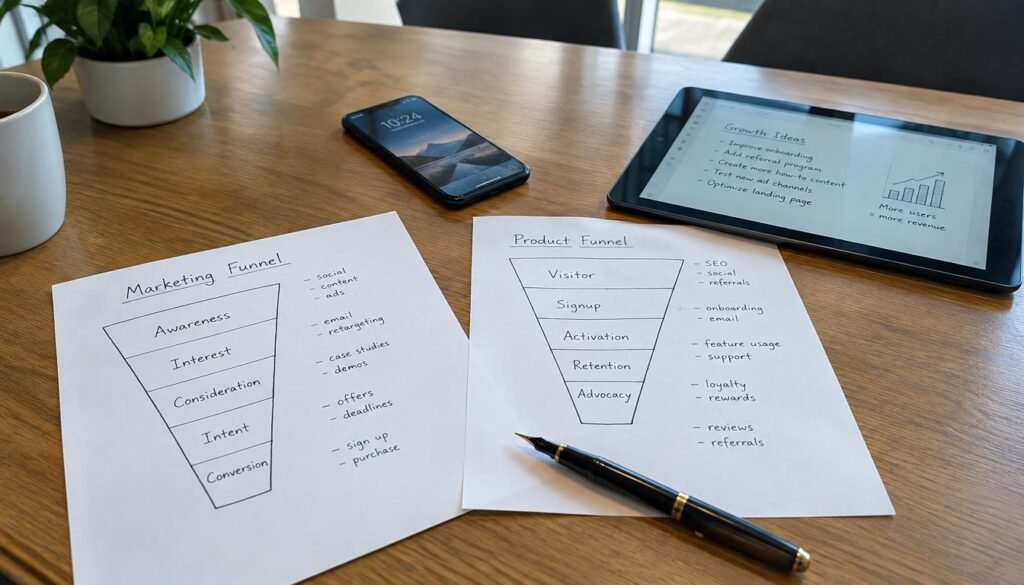
Validating your concept with existing contacts confirms market interest before investing time into full asset creation.
Pricing Models: Moving Beyond Hourly Rates
Pricing digital products requires disconnecting your compensation from the hours spent creating the files. Base your price on the financial value, efficiency gain, or problem resolution your template creates for the buyer.
Different pricing tiers accommodate distinct buyer budgets and support requirements.
Self-Serve Tier
This entry price point grants immediate file access and written guides without personal support. It appeals to budget-conscious do-it-yourself implementers who prefer working independently.
Implementation Tier
This mid-level package pairs the foundational toolkit with recorded video training or onboarding workshops. It suits busy operators seeking guided direction without full custom agency fees.
System Plus Audit
This premium bundle combines the complete product system with a private strategic review session. It delivers the highest revenue per transaction while maintaining structured delivery parameters.
Avoid underpricing your assets out of imposter syndrome or self-doubt. When a system saves a business dozens of wasted hours or prevents costly missteps, a premium price tag reflects genuine commercial utility.
Choosing Distribution Channels: Reaching New Audiences
Distributing your templates requires platforms that handle checkout, digital delivery, and automated access without ongoing manual oversight. Choose tools that offer straightforward checkout processes for buyers.
Focus your marketing and promotional efforts through deliberate sales channels:
- Existing client check-ins where customized service scopes exceed the client budget.
- Organic case studies demonstrating tangible outcomes achieved through the framework.
- Search-optimized resource guides addressing specific operational pain points.
- Specialized niche template directories and curated digital product platforms.
Position your product as the fastest path to a specific business milestone. Clear messaging that addresses concrete client pain points generates steady, predictable buyer traffic.
Avoiding Common Pitfalls: Underpricing, Overbuilding, and Weak Positioning
Productizing client work presents several operational traps that derail otherwise profitable transitions. Recognizing these pitfalls in advance protects your time and capital.
Compare common development traps with disciplined execution habits to keep your digital asset launches on schedule.
Disciplined Execution
- Releasing focused solutions that address one acute problem.
- Writing precise documentation to minimize basic inquiries.
- Charging prices aligned with measurable client outcomes.
- Defining rigid support boundaries across all product tiers.
Development Traps
- Overbuilding complex toolkits that overwhelm beginner buyers.
- Underpricing assets and treating them like disposable downloads.
- Vague positioning that tries to serve every business category.
- Offering unlimited personal support with low-cost products.
Protect your calendar by setting clear support policies from day one. When your template includes thorough guides, users succeed independently without draining your consulting capacity.
Iterating Over Time: Updating and Maintaining Your Assets
Digital products require periodic maintenance to remain reliable and commercially relevant as software ecosystems evolve. Third-party platform updates, formula deprecations, or shifting industry best practices can break older templates.
Gather feedback from actual buyers to identify confusing steps, broken formulas, or missing implementation modules. Refine the asset continuously to increase user satisfaction and long-term retention.
Schedule quarterly reviews to audit your download links, test formula integrity, and update instructional videos. Regular maintenance keeps your systems dependable and builds lasting customer loyalty.
Treat your productized frameworks as dynamic assets rather than static one-time projects. Ongoing improvements provide valid reasons to re-engage past buyers with upgraded editions or complementary systems.

Periodic audits help keep your digital templates aligned with evolving software tools and operational needs.
Frequently Asked Questions
How do you decide which client deliverables can become products?
Evaluate deliverables that solved recurring operational problems across multiple client accounts with consistent results. If you rebuilt the same spreadsheet, roadmap, or checklist repeatedly, that deliverable is an ideal candidate for standardization.
What is the difference between a simple template and a complete system?
A simple template is an unguided file download that lacks context or operational guardrails. A complete system includes step-by-step instructions, sample records, execution checklists, and troubleshooting advice to guide buyers through execution.
How can you protect client confidentiality when selling templates?
Scrub all company names, proprietary formulas, financial figures, private credentials, and version histories from the asset. Replace confidential client information with realistic dummy data while preserving the underlying framework structure.
How should you handle customer support for digital products?
Establish strict boundaries by providing comprehensive written documentation and walkthrough videos instead of open-ended personal consulting. Reserve direct, one-on-one advisory time for premium tiers with clear scheduling limits.
How do you validate demand before building a full product?
Present your proposed framework to existing clients and industry contacts to collect pre-orders or paid beta commitments. Real purchasing commitments confirm genuine market interest before you spend time developing complete instructional systems.
Building Long-Term Growth with Productized Assets
Productizing your best client work allows you to scale your business income independently of your daily calendar hours. By extracting proven frameworks, sanitizing proprietary data, and pairing assets with actionable guidance, you transform past consulting hours into lasting digital assets. Begin auditing your project archives today to identify the repeatable systems that will power your next revenue stream.