
The strongest strategy for this search intent is to match the reader’s stage. Cold readers need a useful next step before they are ready to buy. Use action verbs such as “choose,” “test,” “write,” and “launch.” Place one CTA after the reader receives enough information to act.
Inc.-style founder content works best with an immediate action prompt because readers want speed and direction. Business News Daily-style education benefits from in-text links to deeper guides because readers are still learning. Guidant Financial-style planning content can use funding and consultation CTAs after discussing costs and business structure. Keep the first offer free or low risk, then introduce a setup service, financing resource, or email plan later.
Use benefit-led button text rather than “Submit” or “Learn more.” Examples include “Build Your 48-Hour Plan,” “Check Your Business Idea,” and “Review SBA Loan Options.” Repeat the main conversion goal only when the reader reaches a new decision point.
You do not need a huge office, a large team, or a perfect logo to start. You need one useful idea, one clear customer, and a small offer that solves a real problem.
This guide shows you how to turn a simple idea into a real weekend business. You will choose an offer, test demand, find people, accept money, and make a plan for Monday. You will not build a giant company in two days. You will build a smart first version.
A weekend sprint focuses on useful action, not perfect preparation.
Start with one clear weekend goal
Write down the customer you want to help and the result you will provide by Sunday night.
What You Can Launch in One Weekend
A micro-business is a small business built around a focused product or service. It may be run by one person. It can begin as a side hustle and grow when customers show steady interest.
The best weekend ideas are simple. They do not need a warehouse, complex software, or large funding. You should be able to explain the offer in one sentence and deliver it with tools you already understand.
Beginner-friendly small business ideas
Local services
Offer pet sitting, home organizing, lawn care, basic cleaning, moving help, or senior technology help. Trust and speed can matter more than a large brand.
Digital services
Try simple writing, resume editing, short video editing, menu design, spreadsheet cleanup, or social media support for local businesses.
Small digital products
Create a checklist, lesson, template, meal plan, budget sheet, or short guide for a narrow group of people.
Choose an idea that uses your current skills, access, and time. A good business idea is not only exciting. It is also easy for you to deliver and easy for people to understand.
Use a fast idea filter
- Can you describe the result in one short sentence?
- Can you reach likely customers this weekend?
- Can you deliver the product or service without major capital?
- Can one customer pay enough to make the time worthwhile?
- Can you improve the offer after early feedback?
Launching a Micro-Business in 48 Hours: The Timeline
A clear time block stops you from spending the whole weekend on research. Set a timer for each stage. The goal is progress, not a perfect business plan.
Hours 0–3: Pick one problem
Start with a problem people already have. Think about questions friends ask you, tasks local businesses avoid, or jobs that take too much time.
Write three ideas. Score each one from one to five for skill fit, customer access, speed, and earning potential. Pick the idea with the strongest total score. Do not keep changing ideas after this point.
Hours 3–8: Check the market
Look for signs that people want help. Search local groups, marketplace listings, review websites, and social media comments. Notice repeated complaints and questions.
Do not treat online attention as proof of payment. Ask real people about the problem. A short conversation can reveal more than hours of reading.
Hours 8–14: Create the first offer
Turn your idea into a small package. State who it helps, what you do, how long it takes, and what the customer receives.
For example: “I edit one short business video within 48 hours for local restaurants that need regular social media content.” This is clearer than “I provide marketing services.”
Hours 14–20: Set up the basics
Choose a simple business name. Create a professional email address. Open a separate account for business money when practical. Make a one-page website or landing page with your offer, price, contact method, and next step.
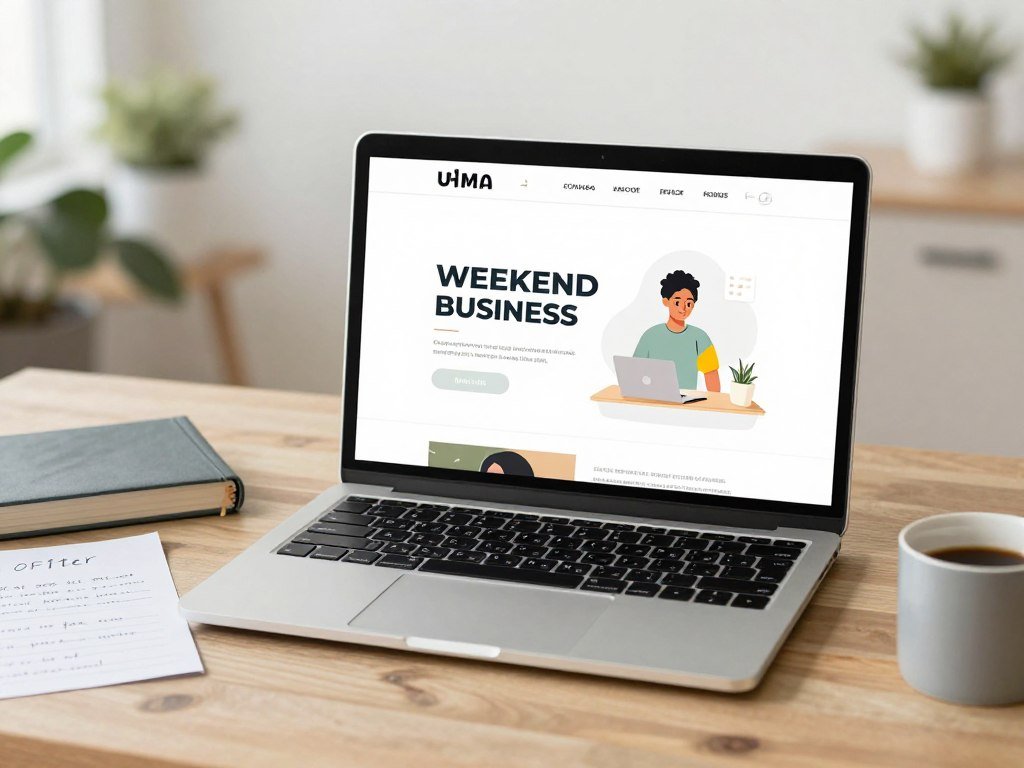
Your first website only needs to explain the offer and make contact easy.
Hours 20–30: Speak with likely customers
Send personal messages to people who fit your target customer. Ask about their problem before giving a sales pitch. Use a short script:
“Hi, I am testing a small service for people who need [result]. How do you handle this now? What is the hardest part?”
Listen for exact words. Those words can improve your website and social media posts.
Hours 30–40: Make the first sale
Offer a small pilot package to a few suitable people. Explain the price, delivery date, and refund or change policy before payment. Use a trusted payment tool and keep a record of every transaction.
Hours 40–48: Deliver and review
Complete the work carefully. Ask the customer what was useful and what was unclear. Record the result, time spent, costs, and questions you received.
On Monday, decide whether to continue, change the offer, or stop. All three choices provide useful information for your next business idea.
Validate Demand Before You Build Too Much
Validation means checking whether a real person has a real need and may pay for help. It protects your time and money.
Use the three-question test
- Who has this problem often?
- What do they do now to solve it?
- Would they pay for a faster, easier, or better result?
Talk to at least a few people who match your target customer. You can ask in a local group, contact a business owner, or speak with people you already know. Avoid asking, “Do you like my idea?” People may say yes to be polite.
Ask about past behavior instead. “When did you last need this?” and “What did you try?” are better questions. If nobody can recall the problem, narrow the audience or choose a different need.
Check your idea before launch
Use a short customer conversation to learn what people need, what they already pay for, and what result matters most.
Look for a small signal
A useful signal may be a paid pilot, a deposit, a scheduled call, or a direct request for your price. A like is helpful, but a clear action is stronger.
Keep your first test small. One product or service, one audience, one channel, and one weekend delivery promise will help you learn faster.
Choose a Target Customer and Useful Offer
Your business cannot serve everyone at the start. Select one group with a shared need. This makes your message easier to write and your marketing easier to aim.
Write a simple customer profile
- They are: a student, parent, worker, creator, or business owner.
- They need: a clear result that saves time, lowers stress, or helps them earn.
- They struggle with: one task they delay or do poorly.
- They can reach you through: local groups, email, social media, events, or referrals.
Now write your offer formula: “I help [customer] get [result] through [product or service] within [time].” Keep the promise honest. Your first offer should be specific enough to buy and small enough to deliver.
Give the offer a clear shape
A service can include one call, one finished item, or one fixed task. A digital product can include a template and short instructions. Avoid adding many features before a customer asks for them.
Add a simple boundary. State what is included, how many changes are allowed, and when the work will arrive. Clear limits protect both you and the customer.

A clear offer helps customers understand the result before they buy.
Build a Simple Brand, Website, and Marketing Plan
Your brand is the feeling people get when they see your name, message, and work. You do not need a costly identity package. Choose a readable name, two colors, and one clear sentence about the result.
Create a one-page website
Your website should answer five questions quickly:
- Who is this for?
- What problem does it solve?
- What does the customer receive?
- What does it cost or how can they request a quote?
- What should they do next?
Use large, clear text. Add one real example or sample. Check the page on a phone. If the page takes too long to load or makes the offer hard to find, simplify it.
Find customers without wasting money
Start with direct outreach, local communities, referrals, and useful posts. One helpful message to the right person can beat a broad advertisement.
For social media, show the problem, explain one useful tip, and invite a reply. Do not post only “Buy now.” Teach first, then make the next step easy.
Free or low-cost channels
- Personal contacts and past coworkers
- Local community groups
- Relevant social media posts
- Small business networking events
Simple message example
“I am opening three weekend spots for local shops that need a clean, short menu update. I can deliver the first version by Sunday. Would you like the details?”
Set Pricing, Payments, and Business Basics
Pricing should reflect the result, your time, direct costs, and the level of care you provide. Start with a price you can explain. Do not choose a number only because it feels cheap.
A simple pricing method
Estimate the hours needed. Add direct costs. Choose a fair amount for your skill and risk. Then compare your price with similar products or services in your area. If your price is very low, customers may question the quality and you may lose money.
You can offer one basic package and one higher package. Keep the choice simple. Too many options slow down a new sale.
Good weekend pricing
- Easy to explain
- Includes a clear result
- Shows delivery time
- Leaves room for costs
Pricing problems
- Changing for every person
- Ignoring payment fees
- Promising unlimited changes
- Copying a large company
Separate the business money
Track income and spending from the first sale. Save receipts. A separate account can make records easier. Rules for licenses, taxes, incorporation, and business structure vary by location and industry.
Use official information from the U.S. Small Business Administration launch guide before making decisions about entity formation, permits, funding, or SBA loans. Do not assume you need incorporation on the first day. You may need it later, depending on your risk and goals.
Accept payment safely
Use a payment service that customers recognize. Confirm the total price, delivery date, and refund terms in writing. Never share sensitive account information in a public message.
Your 48-Hour Business Launch Checklist
Use this list during your weekend sprint. Cross off each item only when it is complete.
- Choose one business idea
- Name one target customer
- Write the problem and result
- Set a small delivery promise
Idea and plan
- Create one product or service package
- Set a price and payment method
- Contact likely customers
- Ask for a pilot sale
Offer and sales
- Make a simple website or page
- Share a sample or example
- Confirm terms in writing
- Deliver and request feedback
Trust and delivery
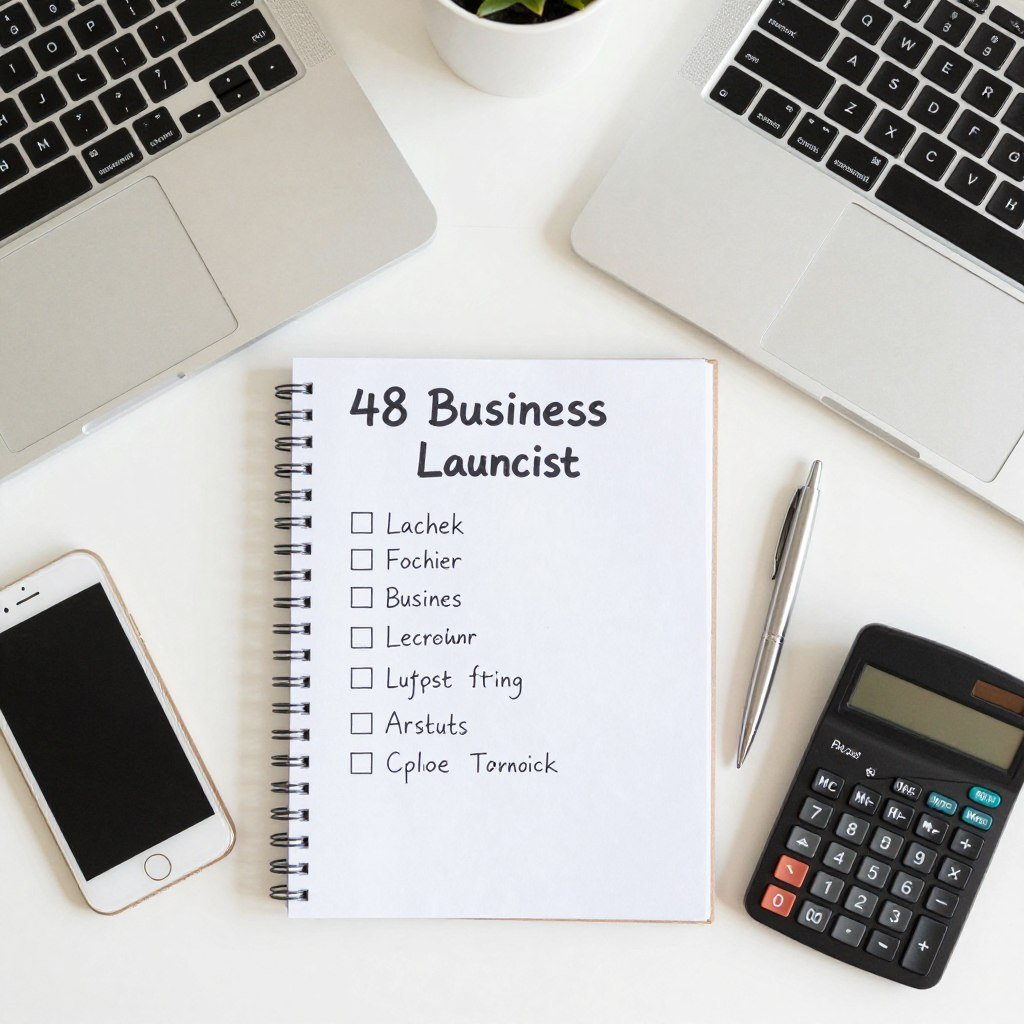
A short checklist keeps the launch focused and manageable.
Use a small review scorecard
At the end of the weekend, write down four numbers: conversations, offers made, sales, and delivery hours. Also record customer questions. These facts will guide your next steps better than guesses.
Get your next step on the calendar
Choose one task for Monday: contact more people, improve the offer, deliver current work, or review your business plan.
Common Mistakes, FAQs, and Your Next Step
Mistakes to avoid
- Building before speaking: Do not spend the whole weekend making a product nobody requested.
- Serving everyone: A narrow customer group makes your message stronger.
- Hiding the price: A clear price saves time and builds trust.
- Buying too many tools: Use simple tools until customers show what you need.
- Ignoring records: Track money, costs, agreements, and customer information.
- Expecting instant growth: A weekend launch is a test, not a promise of income.
Can I really start a business in a weekend?
You can start a small test, service, or product offer in a weekend. A stable company takes time, customer care, planning, and repeated sales.
How much capital do I need?
Some ideas can begin with tools you already own. Your costs may include payment fees, supplies, permits, insurance, or software. List costs before you promise a price.
Should I form a company immediately?
Not always. Business structure and incorporation depend on your location, risk, tax position, and goals. Check official guidance or speak with a qualified professional.
What if nobody buys?
Treat the result as information. Ask why the offer did not fit, change the audience or promise, and run a smaller test. You may need several steps before finding a strong match.
What should I do after the first sale?
Deliver well, request useful feedback, record your time and costs, and contact similar people. Improve one part of the offer before adding new products or services.
Take the first practical step
Launching a micro-business in 48 hours is not about pretending that success is instant. It is about replacing worry with a small, real test. By Sunday night, you can know more about your idea, your customer, your price, and your next move.
Choose one problem today. Speak with one person who has it. Write one useful offer. Then take the next step. Your weekend business can begin small, learn quickly, and grow with care.
I truly appreciate your technique of writing a blog. I added it to my bookmark site list and will
You’re so awesome! I don’t believe I have read a single thing like that before. So great to find someone with some original thoughts on this topic. Really.. thank you for starting this up. This website is something that is needed on the internet, someone with a little originality!